
Written by: Kelly Campbell, Vice President of Marketing, Stayntouch
Key Takeaways for Front Desk Teams
-
Hotel payment issues such as declined cards, failed authorization holds, and duplicate charges happen daily and require clear troubleshooting steps and prevention habits.
-
Frequent problems include chargebacks, virtual card failures from OTAs, OTA payment disputes, and reconciliation errors between the PMS, payment gateways, and accounting systems.
-
Immediate fixes focus on verifying card details, checking authorization windows, gathering evidence for disputes, and confirming transaction status before reprocessing payments.
-
Long-term prevention depends on automation, tokenization, digital registration cards, clear communication of hold amounts, and daily reconciliation practices that reduce errors and disputes.
-
Modern integrated PMS platforms like Stayntouch reduce payment processing issues at the source through automated holds, charges, and reconciliation, so teams spend more time serving guests and less time fixing payments.
Quick Troubleshooting Checklist: 7 Common Hotel Payment Issues
-
Declined cards at check-in – The guest’s card has insufficient funds, is expired, or the issuing bank flagged it as suspicious due to unusual travel activity.
-
Failed authorization holds – The card issuer rejected the pre-authorization request, often due to an Address Verification Service (AVS) mismatch, incorrect card details, or the hold amount exceeding available credit.
-
Duplicate charges – A transaction was processed twice due to system errors, network timeouts, or a staff member re-running a card before confirming the original transaction’s status.
-
Chargebacks and disputes – A guest disputes a charge with their card issuer, and the hotel loses the revenue by default unless it can provide documented evidence.
-
Virtual card payment failures – OTA-issued virtual cards are declined because the billing window has not opened, card details are incorrect, or the card has expired.
-
OTA payment disputes – Disagreements over commissions or charges with online travel agencies (OTAs), third-party booking sites such as Booking.com or Expedia, that deliver demand but charge commission.
-
Reconciliation and system sync issues – Payment data does not match between the PMS, payment gateway, and accounting system, which creates a reconciliation problem at month-end close.
Deep Dive: How to Fix the 7 Most Common Hotel Payment Issues
1. Declined Cards at Check-In or Checkout
Symptom: The terminal displays “Declined” or “Do Not Honor.”
Likely Cause: Hotels place an authorization hold for the room rate plus incidentals at check-in, and if the guest’s available balance is close to the limit, that hold can trigger a decline. Other common causes include expired cards, fraud-prevention blocks triggered by unusual travel activity or cross-border transactions, and daily spending limits set by the issuing bank.

Immediate Fix:
-
Ask the guest to call their bank and request approval for the specific transaction from your property’s name.
-
Offer to reduce the incidental hold amount if the guest is near their credit limit.
-
Try a different card or a digital wallet such as Apple Pay or Google Pay.
Long-term Prevention: Use a PMS with real-time card validation and tokenization, which replaces the card number with a meaningless substitute so real card data is never stored. This approach catches issues before check-in and reduces fraud-block risk.
2. Failed Authorization Holds
Symptom: The PMS cannot place a hold on the guest’s card for the room and incidentals.
Likely Cause: An authorization hold is a temporary reservation of funds to guarantee payment, not a final charge. Common failure causes include an AVS mismatch between the billing address on file and the card’s registered address, a missing or incorrect CVV, and the pre-authorization amount exceeding the card’s available credit. Visa allows an initial estimated authorization for the expected stay amount plus applicable taxes, with incremental authorizations required if the final amount exceeds the authorized amount by more than 15%. Mastercard requires an estimated authorization at check-in for the full stay plus incidentals, with incremental authorizations for additional charges.
Immediate Fix:
-
Re-run the hold with corrected card details.
-
If it fails again, request a different card.
-
Remind guests using debit cards that the hold freezes actual cash from their checking account, which can cause overdraft fees. A credit card is preferable.
Long-term Prevention: Implement a payment system that automatically retries holds and notifies staff of failures. This approach prevents a “silent” hold that expires before capture. An expired authorization can force a second attempt, which may lead to declined transactions or duplicate charges if staff do not manage it carefully.
3. Duplicate Charges
Symptom: A guest sees two identical charges on their statement, or the folio shows a charge posted twice.
Likely Cause: Terminal freezes or network timeouts mid-transaction can cause staff or systems to resubmit the same payment. Manual keying errors and software integration issues between the PMS and payment processor are also common triggers. Guests may also confuse a pending authorization hold with the final posted charge, which appear as two separate items.
Immediate Fix:
-
Check the transaction status at the payment provider first. Never re-charge the guest until you confirm the original transaction’s state.
-
Void the duplicate transaction if it has not been captured, and issue a refund if it has.
Long-term Prevention: Use a PMS with idempotent payment processing and clear transaction logging to prevent duplicate submissions. Daily reconciliation of transaction records against settlement reports, combined with staff training on the difference between declined and pending transactions, reduces duplicate processing errors.
4. Chargebacks and Disputes
Symptom: A chargeback notice arrives from the bank. A chargeback occurs when a guest disputes a charge with their card issuer, and the hotel loses the money by default unless it can provide documented evidence.
Likely Cause: An estimated 286 million chargebacks are projected globally in 2026, with travel and hospitality carrying the highest average chargeback value of any industry at $120 per dispute, according to Mastercard’s 2025 Global Chargebacks Outlook. No-show disputes are a common cause of hotel chargebacks, according to industry data. Vague billing descriptors, unrecognized charges, and “friendly fraud,” where a guest disputes a legitimate charge, are other primary drivers.
Immediate Fix:
-
Gather evidence immediately, including signed registration cards, itemized receipts, and communication logs.
Long-term Prevention: Use Digital Registration Cards that capture signed terms and conditions at check-in, which creates a documented record and reduces confusion-driven disputes. Communicate hold amounts and cancellation policies clearly at booking and again at check-in. A 60% reduction in hotel chargebacks is achievable through authorization hygiene, policy disclosure and acknowledgment, pre-chargeback deflection tools, and structured representment workflows.
5. Virtual Card Payment Failures
Symptom: An OTA-issued virtual card, a single-use card number used to pay the hotel the net amount after commission, is declined at check-in or when you attempt to charge it.
Likely Cause: Virtual cards are tied to a specific booking ID and a defined activation window, typically a few days before check-in through shortly after checkout. If the hotel attempts to charge before the window opens, or if the OTA released the card late, the transaction will decline. Amount mismatches and incorrect billing details are also common failure modes.
Immediate Fix:
-
Verify the card’s activation window and billing details in the OTA extranet.
-
If the window has not opened, wait and retry within the valid period.
-
If the card fails within the window, contact the OTA’s partner desk to request reissuance.
Long-term Prevention: A portfolio of 11 hotels with one OTA had $228,000 in unprocessed virtual card balances in a single month, requiring manual work through 7,559 transactions. Automation resolved 43% of exceptions without human intervention. Use a PMS that integrates with OTA payment systems to automatically sync virtual card data and schedule charges within the valid window.
6. OTA Payment Disputes
Symptom: A dispute with an OTA over commissions, chargeback liability, or the amount of a virtual card payment.
Likely Cause: Commission discrepancies, amount mismatches between the OTA’s virtual card face value and the folio total, or a chargeback from an OTA booking where the guest disputes a fee. Liability for chargebacks on OTA bookings depends on the merchant of record agreement. If the OTA is the merchant of record, it receives and fights the chargeback. If the hotel is the merchant of record, the property is liable.
Immediate Fix:
-
Review the OTA’s payment report and reconcile it against your PMS folio to isolate the discrepancy.
-
Contact the OTA’s partner desk with the booking ID, virtual card reference, and folio documentation.
Long-term Prevention: Use a channel manager that syncs booking and payment data in real time, and maintain detailed records of all OTA transactions. Treat OTA virtual cards as a separate reconciliation category with same-day exception follow-up rather than discovering mismatches at month-end.
7. Reconciliation and System Sync Issues
Symptom: Payment data in the PMS does not match the payment gateway or accounting system, which creates a reconciliation problem at month-end close.
Likely Cause: Hotel payment reconciliation spans four boundaries: PMS to payment provider, payment provider to acquirer settlement, acquirer settlement to bank, and bank to accounting. Common breakpoints include fees not netting correctly, timing differences between folio posting and batching, chargebacks initiated up to 120 days after a stay, and OTA virtual card exceptions. Manual data entry processes can carry error rates between 1% and 5%, especially when systems are disconnected.
Immediate Fix:
-
Run a reconciliation report to isolate the variance by category, such as fees, timing differences, chargebacks, or OTA virtual card exceptions.
-
Check for transactions captured after the settlement cut-off, which will appear in the next day’s batch.
-
Manually adjust confirmed discrepancies and document the cause for the audit trail.
Long-term Prevention: Use a PMS with automated reconciliation and real-time integration with payment gateways and accounting software. Hotel finance teams that achieve faster, smoother month-end closes share three habits: a daily reconciliation cadence, consistent matching rules, and exception-based review with named owners and resolution dates.
These fixes address immediate symptoms for front desk and finance teams. The next step is building prevention habits that keep most of these issues from reaching guests at all.
Prevention Best Practices: Stop Hotel Payment Issues Before They Start
Most payment failures are preventable when hotels combine automation, clear communication, and daily financial discipline.
-
Automate holds and charges. A modern, cloud-native PMS handles pre-authorization, incremental holds during the stay, and final settlement without manual intervention. This automation prevents silent failures that only surface at checkout.
-
Use tokenization and point-to-point (P2P) encryption. Tokenization replaces real card numbers with meaningless substitutes so card data never sits in the PMS. P2P encryption scrambles card data from the moment staff enter it until it reaches the processor. Together, these controls support PCI DSS (Payment Card Industry Data Security Standard) Level 1 certification and reduce fraud and chargeback exposure.
-
Capture signed terms at check-in. Digital Registration Cards that capture guest signatures on cancellation policies and hold amounts give hotels strong evidence in a dispute and reduce confusion-driven chargebacks.
-
Communicate holds clearly. Tell guests at booking and again at check-in exactly how much will be held and when it will be released. Preauthorization holds typically release within three to seven business days after checkout, while Visa and Mastercard allow hotels up to 30 days to finalize as an outer network limit rather than a typical timeline.
-
Train staff on transaction states. The difference between a pending authorization hold and a posted charge drives most guest confusion and many unnecessary disputes. Staff who explain this clearly at the front desk prevent escalations before they start.
-
Reconcile daily, not monthly. Catching a variance on the day it occurs usually takes minutes. Catching it at month-end close takes hours and may be unrecoverable.
Many hotels struggle to apply these practices consistently because their systems remain disconnected. A modern PMS can embed these controls into daily workflows so teams do not rely on manual checks alone.
Why Stayntouch Streamlines Hotel Payment Processing
Most payment processing issues stem from disconnected systems that force staff to bridge gaps between the PMS, payment gateway, OTA extranets, and accounting software. Every manual step creates another point of failure.
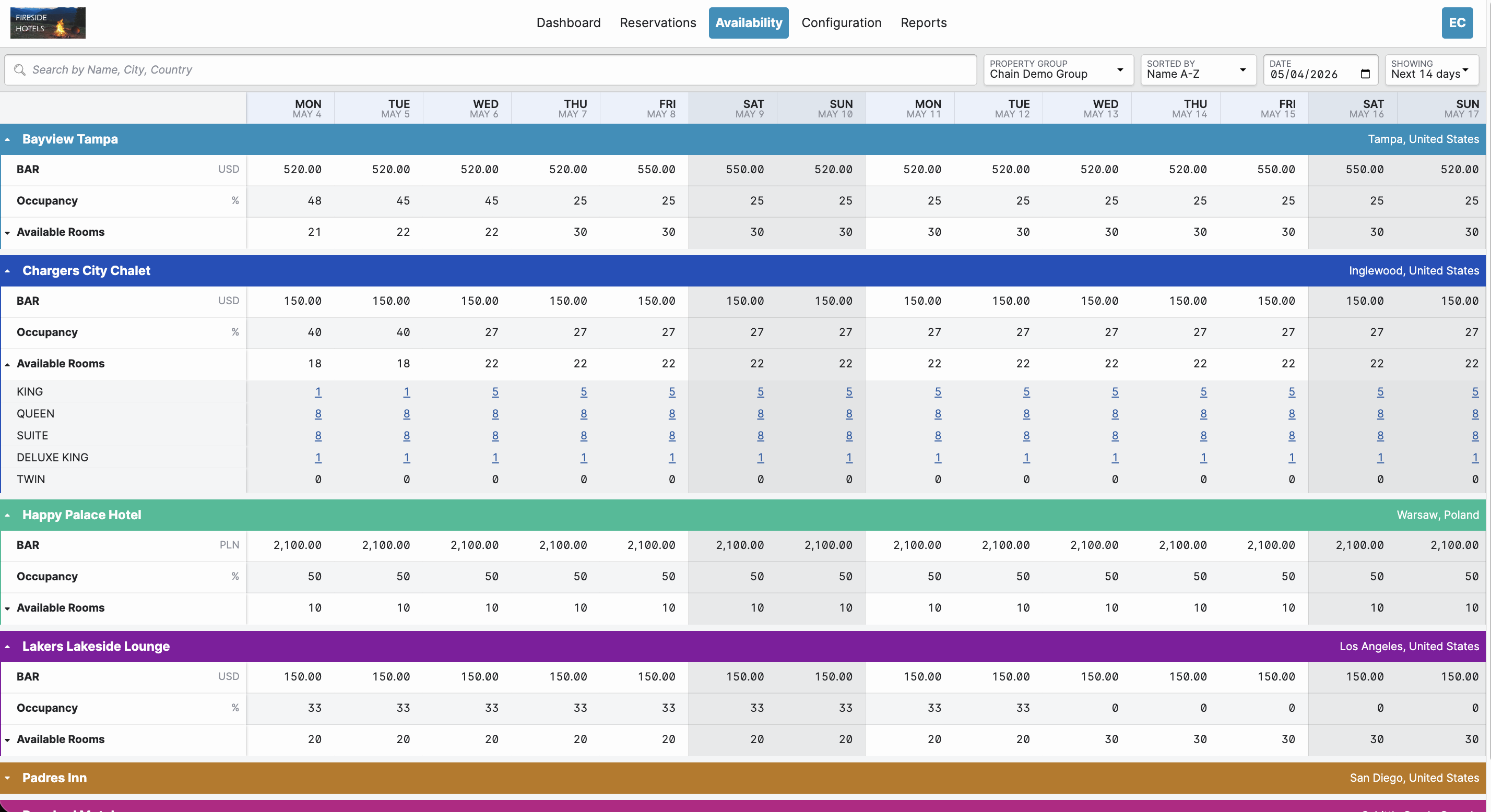
Stayntouch addresses this at the architecture level by unifying payments, folios, and financial data in one platform. Key capabilities that directly reduce payment processing issues include:
-
Stayntouch Pay. One payment provider handles processing, acquiring, and settlement with a single transparent monthly bill. Funds settle two business days after each transaction, while slower settlement cycles can leave money in transit for up to six days. A single provider eliminates the chain of middlemen and the split accountability that often appears when something fails.
-
Digital Registration Cards. Guests sign terms and conditions digitally before or during arrival. Signed records reduce disputes and chargebacks by creating documented evidence of guest agreement to hold amounts and cancellation policies.
-
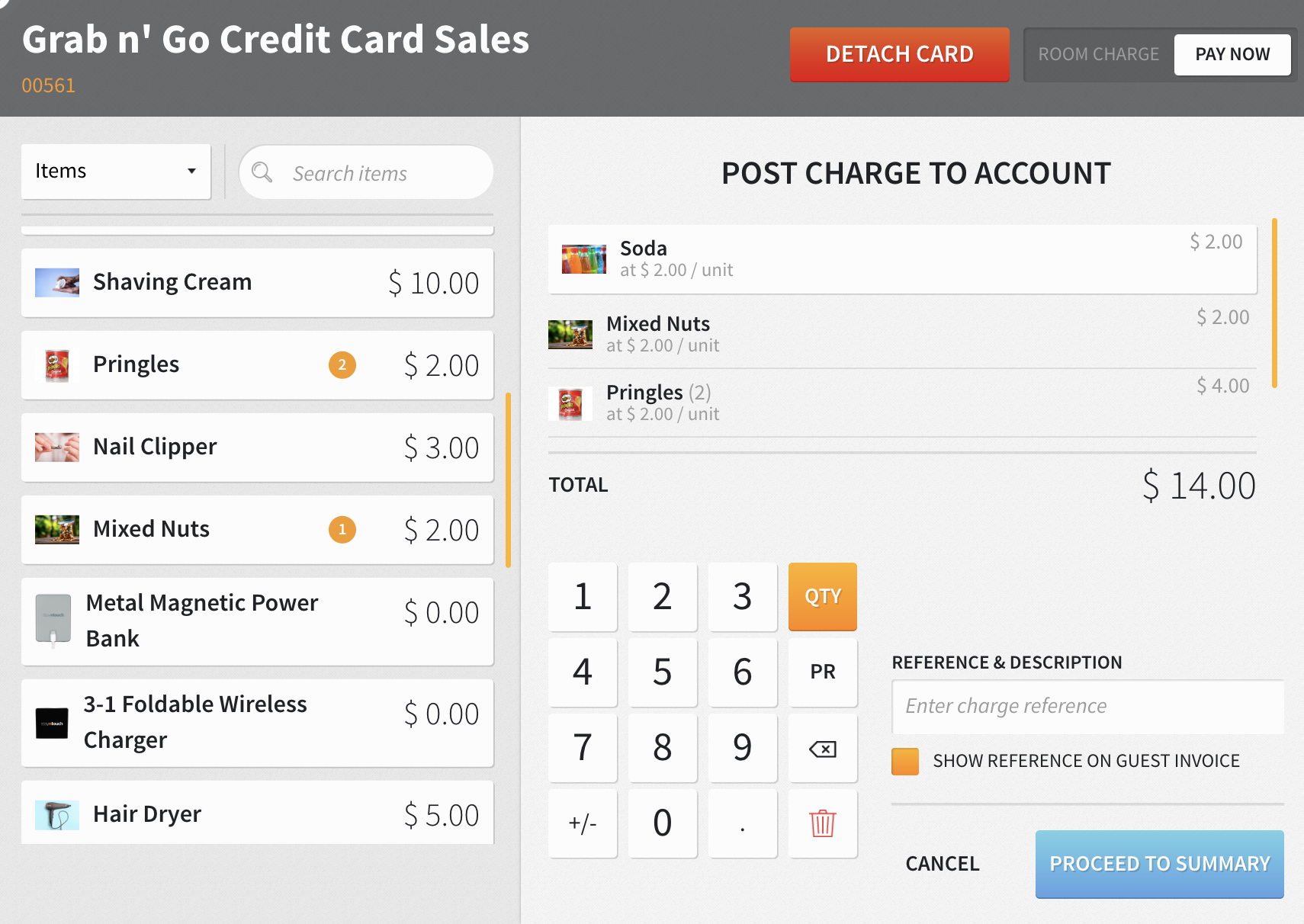
Automated charge posting. Charges from every revenue center, including POS, spa, mobile booking, and the Grab & Go Kiosk, post automatically to the guest folio as they occur. According to Stayntouch customer data, this automation delivers up to a 42% improvement in accounting efficiency.
-
Automated night audit and reconciliation. The night audit, the end-of-day process that closes out transactions and rolls the system into the next business day, runs automatically. Occupancy taxes apply instantly, and built-in controls catch billing errors before they reach a guest.
-
Extensive integrations at no extra cost. Stayntouch connects to OTA payment systems, accounting platforms, and payment gateways through more than 1,400 integrations. Users pay each third-party platform its own platform fee, while Stayntouch does not charge for the integration itself. This connectivity removes data silos that often cause reconciliation failures.
-
Cloud-native on AWS with 100% system uptime. The platform runs without on-site servers and without scheduled downtime for upgrades. System-related payment failures caused by PMS outages drop away.
See how an integrated PMS changes daily work at the front desk and in accounting. Talk with our team about your property’s payment processing challenges.
Frequently Asked Questions About Hotel Payments
Why is my hotel payment not going through?
Hotel payments usually fail because of a declined card, a failed authorization hold, or a system sync issue. Common card problems include insufficient funds, expired cards, and fraud-prevention blocks triggered by unusual travel activity or a large authorization amount. Failed authorization holds often involve an AVS mismatch between the billing address on file and the card’s registered address or a hold amount that exceeds the card’s available credit. System sync errors between the PMS and payment gateway can also stop a transaction. Start by checking the card details and the hold amount, then verify that the PMS and payment gateway are communicating correctly. If the issue persists, contact your payment provider’s support line with the transaction reference number.
How long do authorization holds last at hotels?
Authorization holds at hotels typically release within three to seven business days after checkout. Credit card holds may clear sooner, often within one to five business days. Debit card holds can take longer, sometimes up to ten business days or more.
The issuing bank, not the hotel, controls the release timing. Effective 13 April 2024, Visa allows lodging merchants to submit the final charge within 30 calendar days from the date of a valid estimated authorization, as part of its updated authorization-to-clearing time frames. Debit card holds often last longer than credit card holds because they freeze actual cash rather than reducing a credit limit. To minimize guest friction, communicate the expected hold duration at check-in and recommend that guests use a credit card rather than a debit card for the incidental hold.
How can I prevent chargebacks at my hotel?
Hotels prevent chargebacks most effectively by combining documentation, clear communication, and strong process controls. Use Digital Registration Cards to capture guest signatures on cancellation policies and hold amounts at check-in, because signed records provide the strongest evidence in a dispute. Communicate cancellation policies clearly at booking, in the confirmation email, and again at check-in. Use a recognizable billing descriptor on card statements so guests can identify the charge.
Respond to no-show disputes with timestamped booking confirmation, explicit policy acknowledgment, and evidence that no cancellation was received. For authorization hygiene, apply the 15% authorization threshold mentioned earlier for Visa lodging transactions and follow each network’s rules for incremental authorizations. Exceeding the allowed variance can create a chargeback right and varies by merchant category and card network. Reconcile daily so that discrepancies surface while the dispute window remains open.
What should I do if an OTA virtual card is declined?
Start by logging into the OTA extranet and verifying the card’s activation window and billing details. Virtual cards are tied to a specific booking ID and a defined date window, so an attempt before the window opens will decline. If the window is open and the card still fails, check whether the charge amount matches the card’s face value exactly, because amount mismatches are a common cause of decline.
If the card details are correct and the window is open but the charge still fails, contact the OTA’s partner desk immediately and request reissuance. Document every step, including the booking ID, the card reference, the decline timestamp, and the OTA contact, in case the issue escalates to a payment dispute. To prevent repeat issues, use a PMS that integrates with OTA payment systems to automatically sync virtual card data and schedule charges within the valid window.
How do I fix reconciliation errors between my PMS and accounting system?
Start by identifying which of the four reconciliation boundaries contains the variance: PMS to payment provider, payment provider to acquirer settlement, acquirer settlement to bank, or bank to accounting. Then run a reconciliation report for the affected period and sort variances by category, such as fees, timing differences, chargebacks, or OTA virtual card exceptions.
Timing differences are a common cause of reconciliation variances in hotels, where transactions captured after the settlement cut-off appear in the next day’s batch. This pattern creates a one-day gap that looks like a discrepancy but resolves itself. Other causes such as unposted no-shows and mis-coded taxes are also frequently cited as common drivers. Fees, including interchange, assessment, and gateway fees, vary by card type and by card-present versus card-not-present transaction and must be isolated rather than netted against gross revenue.
For persistent variances, assign a named owner and a resolution deadline instead of leaving exceptions in a queue. The most effective long-term solution for reconciliation errors involves shifting from manual, month-end cycles to real-time, automated reconciliation powered by AI, ML, and direct ERP integration, which reduces manual touchpoints and improves data integrity.
Conclusion: Take Control of Your Hotel Payments
Every payment issue described in this guide has a clear cause and a practical remedy. Declined cards, failed holds, duplicate charges, chargebacks, virtual card failures, OTA disputes, and reconciliation errors all become manageable when front desk and finance teams follow a consistent playbook.
The strongest defense combines that playbook with a modern, integrated PMS that removes many issues at the source. When holds run automatically, charges post in real time, reconciliation happens daily, and signed terms are captured at check-in, far fewer payment problems reach the front desk. Your team spends more time with guests and less time on payment firefighting.
Stayntouch is built to support that shift with unified payments, automated reconciliation, Digital Registration Cards, and extensive integrations, all delivered on a cloud-native platform with 100% system uptime. Request a demo to see how Stayntouch can reduce payment processing issues at your property.
Read Next
Turn a more connected stack into a better stay.
See how Stayntouch can support the operating moments that matter most to your hotel team.