Written by: Kelly Campbell, Vice President of Marketing, Stayntouch
Key Takeaways
-
Independent hotels outperform branded chains on guest satisfaction for the third consecutive year, scoring 84.2 versus 79.8–81.5, with the largest gaps in staff personalization, local character, and F&B quality.
-
Guest satisfaction for independents hinges on personalization, authentic local character, F&B quality, and perceived value, which chains cannot easily replicate.
-
Effective measurement combines post-stay surveys, Net Promoter Score (NPS), mid-stay pulse checks, online review monitoring, and repeat/direct booking rates to capture both numbers and stories.
-
Actionable improvements include removing check-in friction, engaging guests mid-stay, personalizing via guest profiles, empowering staff for instant issue resolution, and automating administrative tasks so staff can focus on guests.
-
Independent hotels can systematize operations without losing their character. Talk with our team to see how Stayntouch helps deliver personalization at scale.
Why Independent Hotels Win on Guest Satisfaction
Independent hotels compete on different satisfaction drivers than chains. The JD Power 2026 North America Hotel Guest Satisfaction Study identifies the industry-wide drivers: staff courtesy and helpfulness, room cleanliness and comfort, and value for price paid, with year-over-year gains led by value for prices paid (+18 points), F&B satisfaction (+14 points), and hotel facility satisfaction (+14 points) on a 1,000-point scale. Independent hotels hold structural advantages in several of these areas.

The independent advantage breaks down across four areas:
-
Personalization and staff warmth. The GuestMind Analytics index found independents outperform chains by 11 points on staff personalization. Guests at independents report feeling recognized as individuals, not loyalty numbers.
-
Authentic local character. The largest satisfaction gap favoring independents was sense of place (+16 points). Nearly half of travelers say they selected a destination specifically because of where they could stay.
-
F&B quality. Independents outscore chains by 8 points on F&B, which matters because JD Power identifies food and beverage as one of the fastest-improving satisfaction drivers in 2026.
-
Value perception. Independent properties frequently score higher on perceived value for money than standardized chains, because guests perceive uniqueness as intrinsic value.
While independents win on emotional drivers, chains retain advantages in consistency and technology infrastructure. That gap matters because operational failures, such as check-in delays and booking errors, directly erode the goodwill that personalization builds. The 2026 Hotel Technology Outlook from the NYU SPS Jonathan M. Tisch Center of Hospitality, produced with Stayntouch and IDeaS Revenue Solutions (300+ hotel professionals) found that hotels using best-in-class technology, meaning a specialized tool that delivers unmatched excellence in solving one core problem, report fewer check-in delays (23% versus 46% for all-in-one users) and fewer booking errors (45% versus 57%).
Independent hotels win on the emotional drivers of satisfaction, and operational inconsistency is the main risk. The solution is to systematize the operational backbone so the property’s personality can shine without becoming more chain-like.
See how Stayntouch helps independents systematize operations while preserving character.
How Independent Hotels Can Measure Guest Satisfaction
Independent hotels need a measurement framework tailored to their scale and guest mix. A multi-channel approach captures both the numbers and the stories behind them.
Core measurement methods include:
-
Post-stay surveys (sent within 24–48 hours of checkout). Response rates peak at 35–55% when sent within 12–24 hours, then drop to 10–15% after five days. A survey completion time under 30 seconds is the threshold for healthy response rates of 25–30% or above.
-
Net Promoter Score (NPS). NPS uses the single question “How likely are you to recommend us?” on a 0–10 scale and serves as the industry standard loyalty metric. For independent and boutique hotels, an NPS above 30 is strong, above 50 is excellent, and top properties can reach 70+, with smaller properties often outperforming chains due to personalized service. Always pair the score with a follow-up “Why?” question, because the score diagnoses, the free-text answer treats.
-
In-stay pulse checks. Send a mid-stay message the morning after the first night. Mid-stay surveys can achieve high response rates and catch problems while the guest is still on property and the team can still fix the issue.
-
Online review analysis. Monitor Booking.com, Google, and TripAdvisor weekly, looking for patterns rather than isolated complaints. Google has overtaken TripAdvisor as the top review platform, making a high Google rating a digital magnet for new bookings.
-
Repeat rate and direct booking share. Track what percentage of guests return and what percentage book direct, because both correlate strongly with satisfaction.
Benchmark against your own historical performance and against nearby properties with similar rate, style, and guest mix, rather than against large national chains. Track trends quarterly rather than monthly to avoid random jumps from small sample sizes.
The measurement loop is straightforward. Collect feedback consistently, spot patterns, act on the issues that most affect reviews, train staff, then measure response rates, satisfaction scores, repeat bookings, and review sentiment. This continuous-improvement loop becomes the operating system for guest satisfaction in independent hotels.
Actionable Strategies to Improve Guest Satisfaction
Once you have a measurement framework in place, the next step is acting on the insights. The following strategies target the moments that most influence satisfaction scores.
-
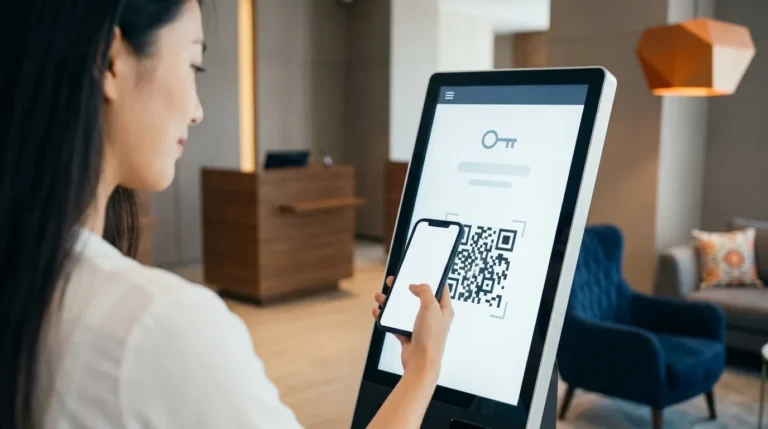
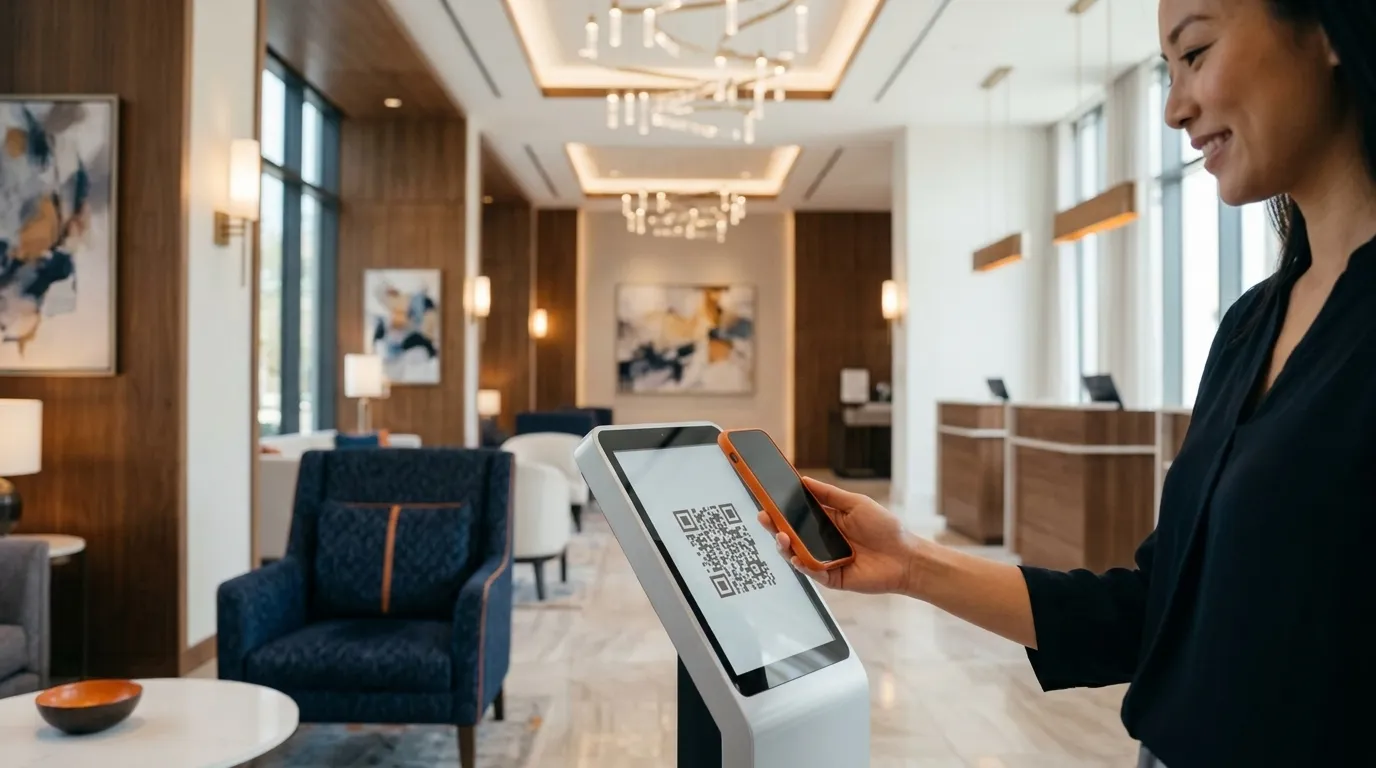
Remove check-in friction and let guests choose their path. Check-in sets the first impression and ranks as a top satisfaction driver. According to Stayntouch customer data, properties using kiosk-based digital check-in see up to a 20-point increase in guest satisfaction. Some guests still want a warm human welcome, so offer three paths: fully mobile check-in in 30 seconds, hybrid pre-check-in with staff handling keys and payment, or staff-assisted check-in anywhere on property via tablet. Digital keys stored in a mobile wallet let a guest walk from their phone straight to their door, making the “skip the lobby entirely” promise real. Guest choice remains the goal.
-
Engage during the stay instead of waiting for the post-stay survey. Hotels implementing mid-stay check-in messages see on-property issue resolution increase because problems surface while the team can still fix them, and post-stay review scores improve because guests feel heard.
-
Personalize using guest profiles. Track preferences such as pillow type, room location, dietary needs, and check-in style, then apply them before arrival. McKinsey reports that 71% of customers expect personalized interactions, and using guest history to tailor the stay can increase the likelihood of a return visit by 35%. A guest who receives an offer tied to their actual behavior is far more likely to return than one who receives a generic discount.
-
Empower staff to resolve issues on the spot. Frontline staff typically lack authority to resolve complaints, and a front desk agent who must “check with a manager” adds 8–15 minutes to every recovery, with each minute of delay reducing satisfaction by 2.3%. Set written empowerment limits so staff can act instantly.
-
Automate administrative work so staff can focus on guests. Every hour spent on manual billing, data entry, or phone tag is an hour away from guests. Automation of routine tasks such as night audit, charge posting, and report generation frees staff for high-touch service. The impact is measurable. According to Stayntouch customer data, properties reduce staff-assisted check-in by 54% and improve housekeeping productivity by 25% when staff work from mobile devices rather than behind a desk.
See how Stayntouch PMS automates the work that keeps staff behind a desk.
Resolving Guest Complaints: A Service Recovery Playbook
A 2026 analysis of 1,000 negative-sentiment guest messages across 1,000+ European properties found that the most common complaints are less about the physical experience and more about failed digital touchpoints: payment and billing issues (9.2%), online check-in and access problems (7.5%), and missing booking confirmations. Broken equipment, noise, and staff attitude follow.
Even with strong prevention strategies, complaints still occur. A structured recovery process turns a negative experience into a loyalty driver. The service recovery playbook has seven steps:
-
Listen fully without interrupting. Let the guest express their frustration and acknowledge it before offering solutions.
-
Own the issue sincerely. One genuine apology is powerful; three feel defensive. Avoid blaming another department.
-
Fix the problem first. Before offering compensation, resolve the actual issue. Move the room, fix the billing error, or replace the equipment.
-
Compensate proportionately. Match the gesture to the inconvenience. Minor issues warrant small amenities; major failures justify upgrades or partial refunds.
-
Act fast. Hotels that resolve complaints within 5 minutes see three times higher satisfaction than those taking 30+ minutes, and guest satisfaction drops 40% when resolution exceeds 10 minutes.
-
Follow up the same day. Confirm the guest is genuinely satisfied before they leave. Follow-up messages increase repeat booking rates by 34% and positive review likelihood by 52%.
-
Log every complaint. Track date, room, category, root cause, resolution, and cost, then review patterns weekly with department heads. The complaint log becomes the cheapest consultant you will ever hire.
The service recovery paradox is real. Guests who experience a problem that the team resolves excellently often report higher satisfaction and loyalty than guests who never had a problem. Research published in the Journal of Hospitality & Tourism Research found that guests who complained and received excellent recovery were 12% more likely to rebook than guests with flawless stays, and 28% more likely to recommend the property.
Many common complaints are preventable with the right systems. Automated night audit reduces billing errors. Mobile check-in eliminates arrival friction. Digital registration cards capture signed terms and conditions, reducing disputes and chargebacks. According to Stayntouch customer data, properties improve accounting efficiency by up to 42% through payment automation and integrations.
Using Technology to Boost Satisfaction Without Losing the Human Touch
Independent hoteliers often worry that automation will make their property feel cold and impersonal. When deployed correctly, technology has the opposite effect and returns time to staff so they can focus on guests.
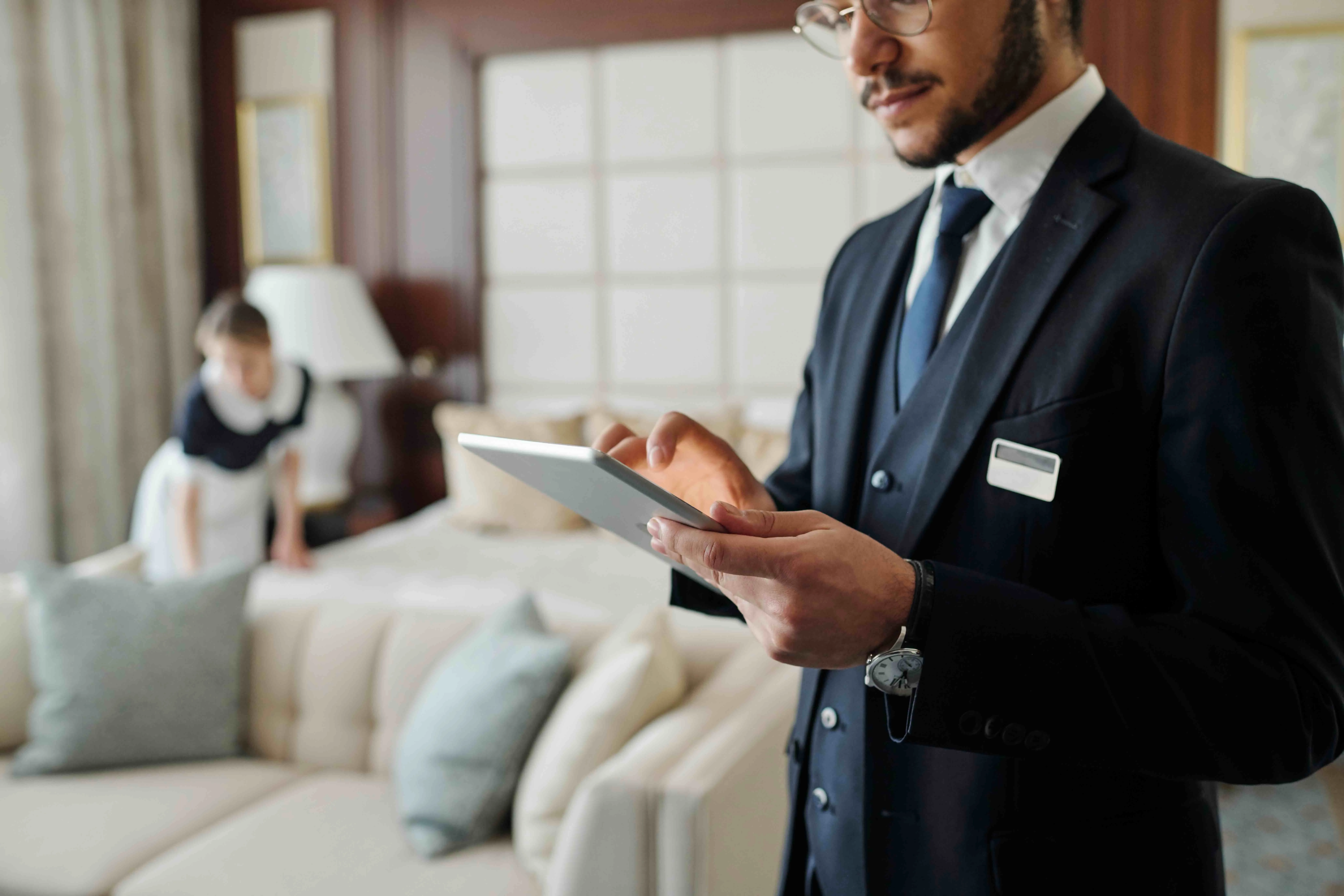
Some guests want to walk from the curb to their room without speaking to anyone. Others want a warm welcome and a conversation about the neighborhood. A modern property management system (PMS) lets a property offer both experiences at the same time for every guest.

Best-in-class technology enables several high-impact capabilities:
-
Mobile check-in and digital keys. Building on the check-in friction removal discussed earlier, guests check in from their phone in 30 seconds and go straight to their room. Digital keys stored in a mobile wallet make the “skip the lobby entirely” experience real.
-
Guest messaging with real-time translation. Meet guests on their preferred channel, such as SMS, WhatsApp, or in-app messaging, and break language barriers with two-way real-time translation. According to Stayntouch customer data, properties using guest messaging save roughly 25 hours per 100 reservations. They also add $55 in revenue per available room (RevPAR) per month.
-
Guest profiles across properties. A returning guest at a sister property arrives with their history and preferences already known and never feels treated as a stranger.
-
Automation that frees staff. Automated check-in, night audit, charge posting, and report generation remove repetitive work that keeps staff behind a desk. The front desk team can operate as concierges instead of bookkeepers.
Self-service technology depends on a PMS that connects with the rest of the hotel’s technology stack, including door locks, payment systems, and messaging platforms. Mobile check-in, kiosks, and other self-service technologies all rely on this connectivity. Stayntouch provides 1,400+ integrations at no extra cost, meaning Stayntouch charges nothing for the integration itself, though each third-party platform carries its own platform fee. This approach ensures every system works together so guests never fall through the cracks.
The 2026 Hotel Technology Outlook found that 30% of all-in-one users intend to move to best-in-class solutions, against 14% moving the other way. The satisfaction gap explains this shift. Best-in-class users report 70% satisfaction with their PMS against 55% among all-in-one users. As noted earlier, best-in-class users also report far fewer check-in delays than all-in-one users and miss fewer guest preferences (41% vs 51%).
Book a demo to see what a best-in-class PMS can do for your guest satisfaction scores.
Frequently Asked Questions
What are the benefits of staying in an independent hotel?
Guests choose independent hotels for personalized service, authentic local character, and unique facilities that reflect the destination rather than a standardized corporate environment. The 2026 Global Hospitality Experience Index found independents outscore chains by 16 points on sense of local character and 11 points on staff personalization. Independent hotels also frequently score higher on perceived value for money, because guests perceive uniqueness as intrinsic value. Research shows that nearly half of travelers select a destination specifically because of where they can stay, which disproportionately favors independent and boutique properties.
What are the most common guest complaints in hotels?
According to a 2026 analysis of negative-sentiment guest messages across European properties, the most common complaints are payment and billing issues (9.2%), online check-in and access problems (7.5%), and missing booking confirmations. Broken equipment, noise, and staff attitude follow. Most complaints now stem from failed digital touchpoints rather than the physical experience, which means technology infrastructure has become as important to guest satisfaction as room quality or staff warmth. Billing errors, check-in delays, and missing confirmations are all preventable with the right property management system.
How do you handle an unhappy hotel guest?
Follow a seven-step service recovery sequence: listen fully without interrupting, own the issue sincerely with one genuine apology, fix the actual problem before offering compensation, compensate proportionately to the inconvenience, act fast, follow up the same day to confirm the guest is genuinely satisfied, and log every complaint to identify patterns. As discussed in the service recovery section, guests who experience excellent recovery often become more loyal than those with flawless stays.
What is a good Net Promoter Score for a boutique hotel?
For independent and boutique hotels, an NPS above 30 is strong, above 50 is excellent, and top luxury properties can reach 70 or higher. The hospitality industry average sits between approximately 39 and 44, depending on the benchmark source. Smaller independent properties often outperform chains in their price segment due to personalized service. The most meaningful benchmark is your own trend over time, because a property consistently improving its NPS is in a stronger position than one with a high but declining score. Always pair the NPS score with a follow-up open-text question, since the score diagnoses and the free-text answer treats.
How can independent hotels use technology to improve guest satisfaction without losing their personal touch?
The key is offering guest choice rather than forcing a single interaction model. A best-in-class property management system lets a hotel offer fully mobile check-in for guests who want to go straight to their room, hybrid pre-check-in for those who want staff to handle keys and payment, and traditional staff-assisted check-in for guests who want a warm welcome, all at the same property. Automation handles the administrative work. Night audit, charge posting, billing, and report generation run without staff intervention, which frees the team to focus on high-touch service. Guest messaging with real-time translation meets guests on their preferred channel. Guest profiles track preferences across stays and properties so every returning guest is recognized. The result is personalization at scale, with the independent hotel’s natural advantage systematized so it happens consistently rather than only when the right staff member happens to be on shift.
Conclusion: Turn Your Independence Into Your Advantage
Independent hotels have what chains cannot buy: personality, local character, and staff who treat guests like people, not loyalty numbers. The 2026 data shows that guests notice, and independents now outscore chains on independent hotel guest satisfaction across every major category measured by the Global Hospitality Experience Index.
The same data reveals the main risk. Independents lose guests on operational inconsistency rather than warmth. Check-in delays, billing errors, and slow complaint resolution erode the goodwill that personalization builds.
The solution is to systematize the operational backbone. Measure satisfaction systematically, recover from failures with speed and sincerity, and deploy technology that removes friction while preserving the human touch.
A best-in-class PMS enables this shift. It automates administrative work, gives guests choice in how they interact, and frees your team to deliver the personalized service that makes independents special. When technology handles the transactions, your staff can handle the relationships, and satisfaction scores rise.
Schedule a demo to see how a best-in-class PMS can elevate your guest satisfaction.
Read Next
Turn a more connected stack into a better stay.
See how Stayntouch can support the operating moments that matter most to your hotel team.